
Lead with the problem you need to solve
A retail project may need a price strip that fits an existing fixture, a display attachment for a particular surface or a better-defined replacement component. A fastener enquiry may begin with a connection requirement. A pool accessory enquiry may depend on compatibility with an established system.
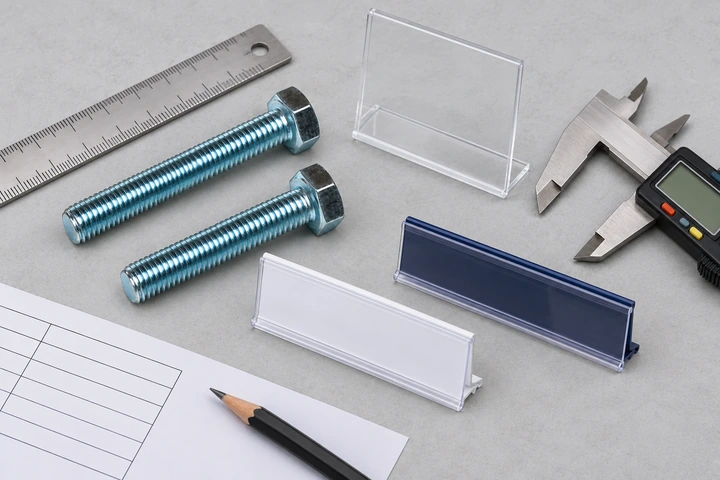
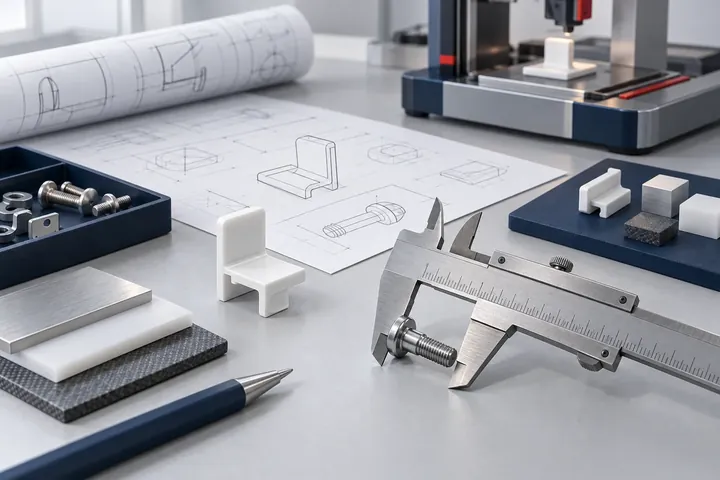
Describe the application before proposing a solution. Photographs, drawings and samples can show the available space, mating parts and handling conditions more clearly than a product name alone.
Give the team a practical starting point
Separate essential requirements from preferences. State which dimensions are fixed, which colours matter, and whether the part must work with an existing design or system. Include expected quantities and the project timing so the enquiry can be assessed in context.
- Application and current difficulty.
- Drawings, photographs or sample references.
- Critical fit, material and environmental requirements.
- Expected quantities and repeat-order expectations.
- Target date and the people responsible for approval.
Agree the next step for the specific project
Possible next steps may include identifying an existing catalogue option, clarifying the specification, reviewing a sample or assessing a custom requirement. The appropriate route depends on the part and must be agreed with Springlok.
Keep proposed ideas distinct from confirmed specifications. Any sample, tooling, sourcing, manufacturing, minimum-quantity or lead-time requirements should be discussed in the quotation process. A clear approved brief provides a stronger basis for development across all three divisions.